Trusted Local Appraisal Professionals for Accurate Pricing Decisions
Grasping the Role of a Real Estate Appraiser: Your Resource to Property Valuation
Property appraisers fulfill a vital role in assessing real estate values. These appraisals impact all parties including buyers, sellers, and lenders. By analyzing various factors, appraisers provide insights that guide important financial decisions. Still, a significant number remain unfamiliar with the nuances involved in this practice. Understanding what appraisers do and how they operate can greatly influence property transactions. What critical factors do these professionals analyze, and how do they maintain accuracy in their appraisals?
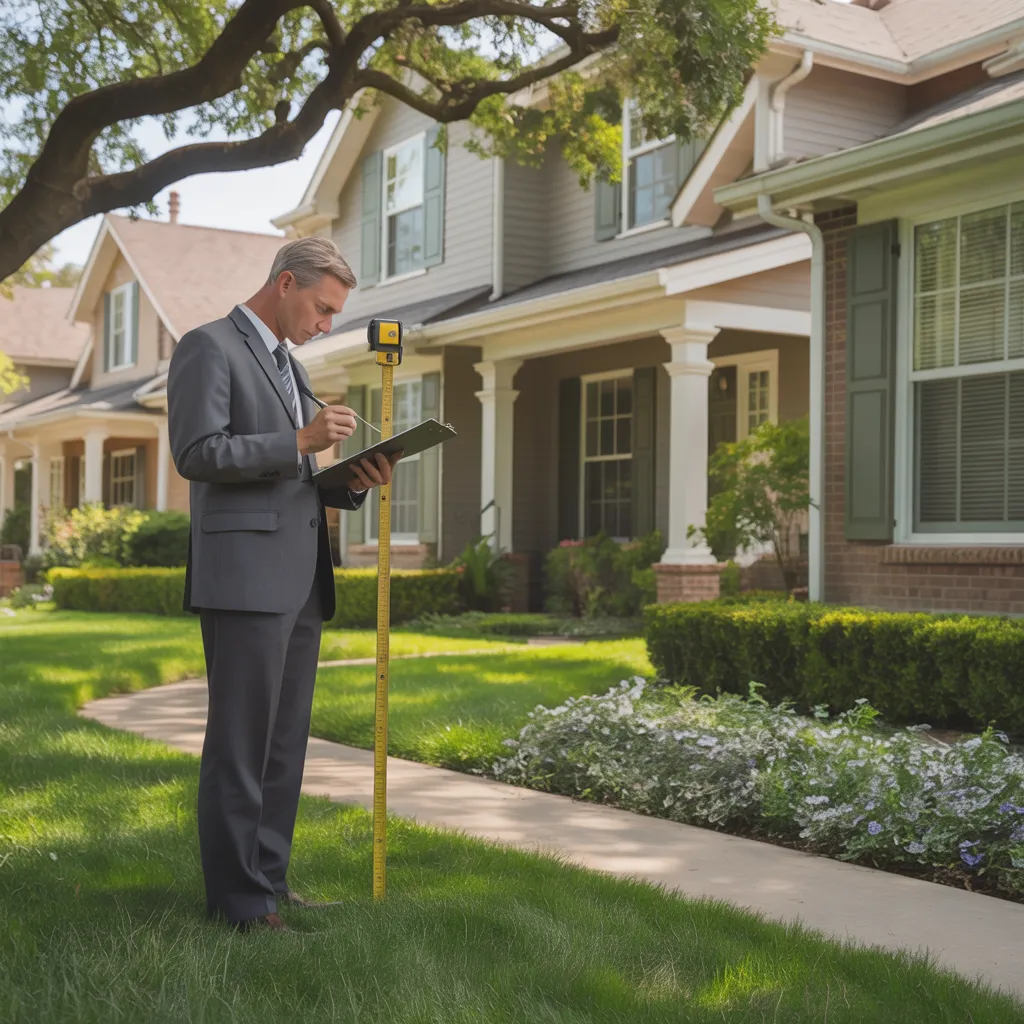
Who Is a Real Estate Appraiser?
A real estate appraiser is a professional tasked with evaluating the value of properties. This role involves analyzing various factors, including location, market trends, and property characteristics. Appraisers employ standardized methods and guidelines to guarantee accurate assessments, frequently using comparative market analysis and revenue projections for investment real estate.
They perform a essential role in real estate transactions, delivering impartial opinions of value that aid buyers, sellers, and lenders make informed decisions. Appraisers need to have strong analytical skills and a profound understanding of the real estate market. The majority of states require appraisers to hold specific licenses and certifications, guaranteeing they meet regulatory standards and ethical practices.
Their reports, typically detailed and thorough, serve as essential documents for mortgage approvals, estate settlements, and tax assessments. Ultimately, real estate appraisers add substantially to the reliability and performance of the property market.
The Importance of Property Valuation
Property valuation acts as a cornerstone for effective real estate transactions and investment decisions. Reliable property valuations deliver essential insights into market conditions, enabling buyers and sellers establish fair prices. For lenders, appraisals establish collateral values, guaranteeing that loans are secured appropriately. In addition, investors count on property valuations to analyze potential returns and risks, directing their investment strategies.
Appraisals also serve an essential function in property tax assessments, influencing local government revenues. An accurate appraisal can assist property owners contest inflated tax bills, consequently defending their financial interests. In addition, understanding property value facilitates effective negotiation, empowering parties to engage with educated standpoints.
In the end, property appraisal is vital for establishing credibility and transparency in the real estate market, permitting stakeholders to make informed decisions grounded in objective data. This fundamental aspect of real estate emphasizes the necessity of skilled appraisers in enabling fair and equitable transactions.
Critical Elements That Influence Real Estate Worth
Various key components are essential in determining real estate value. The location and area trends significantly affect how buyers perceive properties, while how well-maintained it is and what features it offers can boost or lower its appeal. Additionally, the interplay of market demand and supply continues to influence total value assessment in a dynamic property market environment.
Local Area Trends and Location Details
Even though the condition of a property plays a significant role in its appraised value, location and neighborhood trends frequently hold even greater influence. Appraisers consider numerous factors associated with location, including proximity to schools, public transportation, and essential services. Areas with low crime rates and high-quality schools typically draw more buyers, boosting property values. Furthermore, emerging neighborhoods with new developments or revitalization efforts can signal rising demand, further enhancing property worth. Market trends, such as rising home prices or shifts in demographics, also affect valuations. In the end, an appraiser's understanding of these location dynamics is crucial in determining a property's value, as they demonstrate the desirability and potential for future appreciation in the real estate market.
Property Condition and Features
The overall condition of a property and its specific features greatly impact its appraised value. Property evaluators carefully examine both internal and external elements of a home. Factors such as the age of the roof, the quality of plumbing and electrical systems, and the state of appliances are essential. Moreover, modern enhancements or renovation work can substantially boost valuation. Unique features, like a swimming pool, energy-efficient windows, or landscaped gardens, also contribute positively to appraisal outcomes. In contrast, inadequacies, encompassing structural defects or obsolete features, might cause a lower appraisal. Therefore, an evaluator's appraisal encompasses a thorough investigation of property state and attributes, securing an exact depiction of its market standing.
Market Forces of Supply and Demand
Market demand and supply play a pivotal role in determining property value, as fluctuations in these dynamics can substantially influence pricing. When demand for properties exceeds supply, prices typically climb, reflecting the competitive nature of buyers in the market. On the other hand, an oversupply of properties can result in decreased prices, as sellers may need to lower their expectations to attract buyers. Economic conditions, interest rates, and demographic trends further impact market demand and supply, shaping buyer behaviors and preferences. For appraisers, understanding these factors is critical for accurate property valuation. By assessing local market trends and conditions, real estate appraisers can provide insights into how changes in market dynamics affect property values, enabling stakeholders to make informed decisions.
Appraisal Process Overview
Grasping the appraisal process is essential for both buyers and sellers, as it serves as a fundamental step in assessing a property's fair market value. The process usually begins with the appraiser conducting a comprehensive inspection of the property, noting its condition, size, and special features. Following the inspection, the appraiser examines comparable properties in the area, evaluating recent sales data to develop a contextual framework for valuation.
Once the required information has been collected, the appraiser employs various approaches to appraise the property, for example the cost, sales comparison, and income approaches. Every method delivers insights into distinct aspects of property valuation, guaranteeing a thorough assessment. Upon completing the analysis, the appraiser compiles their findings into a detailed report that is delivered to the client, offering an objective evaluation that facilitates informed decision-making. Comprehending this process equips stakeholders with the knowledge to manage real estate transactions proficiently.
Various Types of Appraisals
While various appraisal methods exist, each serves distinct purposes adapted to different property types and client needs. The three primary types of appraisals include the sales comparison approach, the cost approach, and the income approach.
The sales comparison approach is commonly used for residential properties, comparing the subject property against recently sold, similar homes in the area. The cost approach calculates the value based on the cost to rebuild the property, factoring in depreciation, rendering it ideal for new builds or unique properties.
The income approach is mainly used for rental properties, where the appraiser assesses the earning potential and expenditures connected to the property to establish its valuation.
Every method presents a valuable perspective on property valuation, making certain that clients receive personalized assessments in line with their specific objectives. Comprehending these distinctions helps clients to make informed decisions in their real estate transactions.
Frequent Misunderstandings About Appraisers
Many individuals maintain misconceptions about the purpose and responsibilities of real estate appraisers, commonly causing confusion about their value in the property transaction process. One prevalent belief is that appraisers determine property prices; in reality, they supply an objective valuation built upon market data and property features. Another misconception is that appraisers work for buyers or sellers; however, they are typically independent professionals who serve lenders to guarantee fair lending practices. Additionally, many people imagine appraisals are fast and easy; in fact, thorough appraisals demand extensive research, analysis, and time to produce accurate results. Some may also consider that appraisers are biased or influenced by external factors, but reputable appraisers follow strict ethical standards and regulations. Understanding these misconceptions is critical for appreciating the crucial role appraisers play in real estate transactions and property valuation.
Choosing the Right Appraiser for Your Needs
Choosing the right appraiser requires thorough consideration of their certifications and experience. Moreover, understanding an appraiser's specialization and expertise in a certain property type can greatly impact the accuracy of the appraisal. Evaluating these factors confirms that clients select a professional suited to their specific needs.
Credentials and Expertise
Choosing an appraiser necessitates meticulous consideration of their credentials and experience to provide accurate property valuation. Future clients should confirm that the appraiser possesses appropriate licenses and certifications, which typically include state licensure and professional memberships in organizations such as the Appraisal Institute or the American Society of Appraisers. Experience is equally critical; an appraiser's track record in the specific type of property being evaluated can markedly influence the quality of the assessment. It is advisable to ask about the number of years the appraiser has been in the field, as well as their familiarity with local market trends. Finally, a combination of robust credentials and relevant experience guarantees that clients receive reliable and precise property valuations.
Area of Specialization and Mastery
An appraiser's area of expertise and specialization are vital to the property valuation process. Different types of properties, such as residential, commercial, or industrial, require specific knowledge and skills. When selecting an appraiser, it is essential to take into account their area of specialization to ensure a thorough evaluation. For instance, a residential appraiser may specialize in single-family homes, while a commercial appraiser is more appropriate for multi-unit buildings and retail spaces. Moreover, appraisers may have specialized knowledge of particular geographical areas, enhancing their understanding of local market trends. Clients should inquire about the appraiser's experience with similar properties and request references to gauge past performance. This customized approach ensures that clients receive the most precise and applicable property valuation.
Questions & Answers
What Is the Average Time Required to Complete an Appraisal?
A property appraisal usually takes between one to three hours on the property, according to the property's complexity and size. The whole process, incorporating research and report preparation, normally takes anywhere from a few days to one week.
Can I Challenge an Appraisal if I Disagree With the Value?
When disagreeing with the value, an individual can challenge the appraisal. This often entails offering supplementary evidence, including comparable sales, to support their argument and may demand a formal appeal process.
What Should I Consider Regarding an Appraiser's Qualifications?
When choosing an appraiser, it's essential to consider qualifications such as state certification, relevant experience, specialized training, and membership in professional organizations. These elements enhance the appraiser's credibility and accuracy in property valuation.
What Are the Payment Methods for Appraisers?
Appraisers usually receive compensation via fees for their professional services, that can change based on property type, complexity, and local market conditions. Appraisers generally receive payment after completing the appraisal report.
Will Appraisals Directly Influence Property Taxes?
Yes, appraisals can directly affect property taxes. Municipal authorities typically rely on appraised values for tax assessment determinations, resulting in the fact that increased appraised values may cause property taxes to rise, while useful resource reduced appraised values can result in decreased tax responsibilities.